
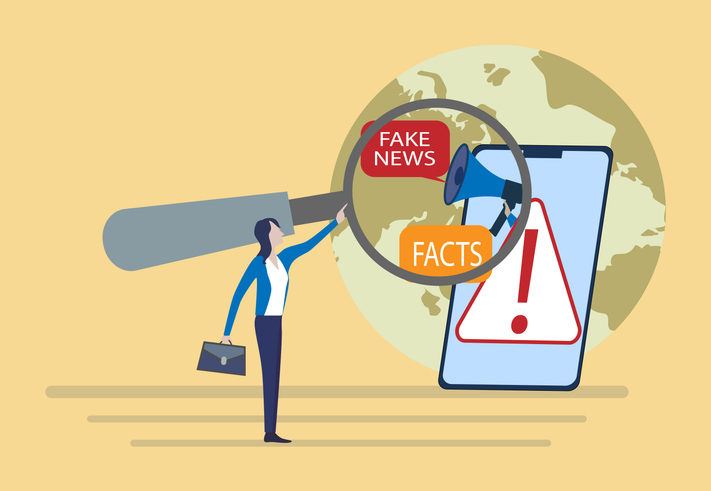
Accurate, verifiable information remains one of the most effective tools for countering election disinformation. Election officials who engage with the global fact-checking ecosystem during non-election periods, rather than waiting until the pressure of an election, are better positioned to respond quickly and credibly when false or misleading claims emerge.
Understanding what these organizations are, how they operate, and how to evaluate their output is an increasingly practical skill for anyone managing public communication around an election.
Inside the Global Fact-Checking Network
A robust ecosystem of independent fact-checking organizations now operates across more than 60 countries. The International Fact-Checking Network (IFCN), housed at the Poynter Institute, lists over 170 verified signatories worldwide, each subjected to annual external assessment. Among the most established:
- Africa Check, operating across South Africa, Kenya, Nigeria, and Senegal;
- Full Fact in the United Kingdom;
- Chequeado in Argentina, which pioneered fact-checking in Latin America;
- Maldita.es in Spain; and
- AFP Fact Check.
Regional networks such as the Africa Facts Network coordinate across continents, sharing methodology and cross-border verification. The ACE Electoral Knowledge Network, supported by a consortium of international partner organizations, and International IDEA provide extensive election-specific reference materials.
What Makes a Fact-Check Credible
What these organizations share is methodological transparency. The IFCN Code of Principles requires nonpartisanship, transparency of sources, funding, and methodology, and a commitment to open corrections. A credible fact-check identifies the specific claim being examined, traces it to its original source, reviews the relevant available information, and explains how the verified facts support its conclusion. Election officials should evaluate fact-checks based on the transparency and rigor of their methodology and should confirm jurisdiction-specific information through primary official sources.
How to Use These Resources Proactively
Election officials can engage this ecosystem before a claim forces a response. Monitoring IFCN-verified fact-checkers in your region gives early warning of recurring false narratives before they reach your jurisdiction. When issuing a public correction, election officials may cite a credible independent fact-check as additional context, while grounding the official response in primary documentation and verified operational facts. When a claim is made about your jurisdiction’s specific procedures, the ACE and IDEA repositories allow you to trace it back to primary-source documentation.
Officials who communicate verified facts proactively are better positioned to provide accurate context before misleading narratives gain traction, which is how public trust in elections is protected.